


Visa and Bridge plan to launch a global stablecoin credit card
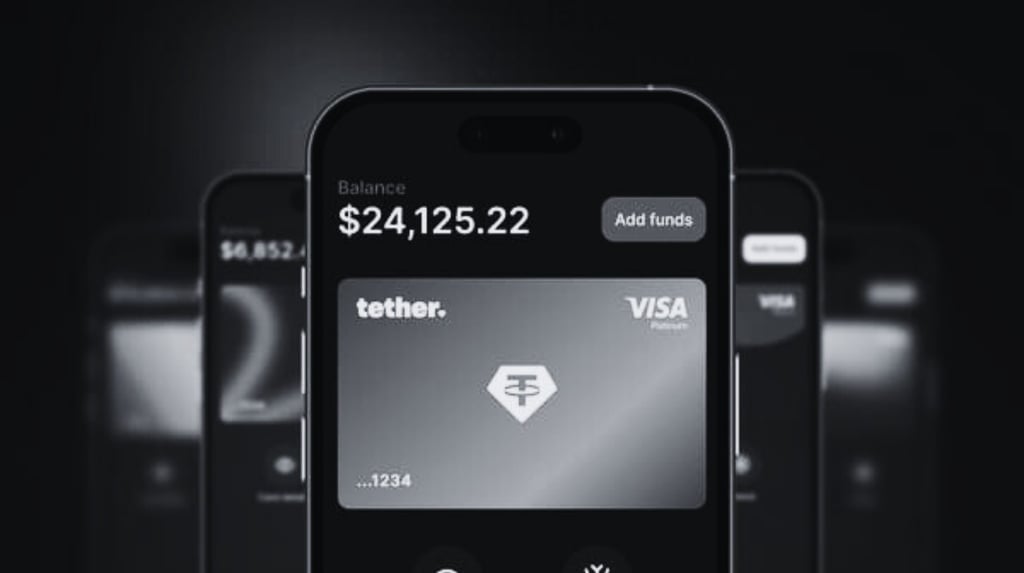
Visa and Bridge, the global payments giant, are partnering with fintech infrastructure provider Bridge to launch stablecoin-linked payment cards in over 100 countries.
3/5/20262 min read

Expand payment links
Visa, the global payments giant, and Bridge (a leading stablecoin infrastructure provider backed by Stripe) have announced a strategic partnership to roll out stablecoin-linked debit and prepaid cards in over 100 countries in the coming quarters.
This partnership, first reported by Bloomberg and confirmed through joint statements on March 3-4, 2026, aims to enable users to utilize their stablecoin balances at Visa's vast network of over 130 million merchant locations worldwide — effectively connecting cryptocurrency wallets with everyday commerce.
The program will initially focus on USDC (Circle's USD Coin) and possibly other fiat-backed stablecoins (USDT, PYUSD, and several tokens pegged to local currencies), allowing users to top up their cards directly from their on-chain balances without having to manually withdraw fiat currency.
Transforming Stablecoins into spendable currency
The core idea of the program is simple: users hold stablecoins in their digital wallets, and when they pay with a Visa card, the stablecoins are automatically converted into the local fiat currency for the seller.
Stablecoins like USDC or USDT are designed to maintain a fixed value against the US dollar, making them more suitable for payments than more volatile cryptocurrencies.
By linking stablecoins with global payment cards, this collaboration could transform them into a practical medium of exchange rather than just a mere transactional asset.
Visa invests in Stablecoin infrastructure
Visa has spent the last few years experimenting with blockchain-based payment methods. The company views stablecoins as a potential upgrade to its global payment infrastructure because they enable:
Cross-border payments are almost instantaneous.
Transaction costs are lower compared to the traditional banking system.
Programmable payments via smart contracts
Transaction processing available 24/7.
Integrating stablecoins into Visa's network could also help the company maintain its competitiveness as fintech companies and cryptocurrency platforms challenge traditional payment systems.
The role of bridges in the ecosystem
Bridge provides infrastructure that enables businesses and developers to integrate stablecoins into financial products. The company specializes in payment systems that connect blockchain networks with traditional financial systems.
By partnering with Visa, Bridge can expand its technology globally, enabling developers, fintech companies, and payment service providers to issue stablecoin-linked cards to users worldwide. This model effectively acts as a bridge between decentralized finance and traditional payment infrastructure.
Our review
The collaboration between Visa and Bridge could be one of the most significant developments for the practical utility of stablecoins in 2026 — transforming the digital dollar from a transaction/money transfer tool into everyday spending money in over 100 countries. If executed well, this has the potential to attract tens of millions of new users to on-chain finance through the simplest possible interface: a Visa card in their wallet.
Disclaimer: The information presented in this article is the author's personal opinion in the field of cryptocurrency. This is not financial or investment advice. All investment decisions should be based on careful consideration of your personal portfolio and risk tolerance. The views expressed in this article do not represent the official stance of the platform. We recommend that readers conduct their own research and consult with experts before making any investment decisions.
Compiled and analyzed by HCCVenture
Follow HCCVenture here: https://link3.to/holdcoincventure
Explore HCCVenture group
HCCVENTURE QUANT JSCO
© 2026 HCCVENTURE. ALL COPYRIGHTS RESERVED.


Connect with us
Popular content
Contact to us
Address: 8th Floor, Bach Dang Complex Building, 50 Bach Dang Street, Hai Chau Ward, Da Nang City, Vietnam.
Phone: 1900 1509
Gmail : sp_contact@hccventure.com
Disclaimer: The information on this website is for informational purposes only and should not be considered investment advice. We are not responsible for any risks or losses arising from investment decisions based on the content here.
TERMS AND CONDITIONS • CUSTOMER PROTECTION POLICY
ANALYTICAL AND NEWS CONTENT IS COMPILED AND PROVIDED BY EXPERTS IN THE FIELD OF DIGITAL FINANCE AND BLOCKCHAIN BELONGING TO HCCVENTURE ORGANIZATION, INCLUDING OWNERSHIP OF THE CONTENT.
RESPONSIBLE FOR MANAGING ALL CONTENT AND ANALYSIS: HCCVENTURE FOUNDER - TRUONG MINH HUY
Read warnings about scams and phishing emails — REPORT A PROBLEM WITH OUR SITE.