

Hackers return $21 million worth of stolen Bitcoin to South Korean authorities
In a rare development in the field of cryptocurrency security, a hacker is believed to have returned approximately $21 million worth of stolen Bitcoin to South Korean authorities.
2/20/20262 min read

A farce within the security network ?
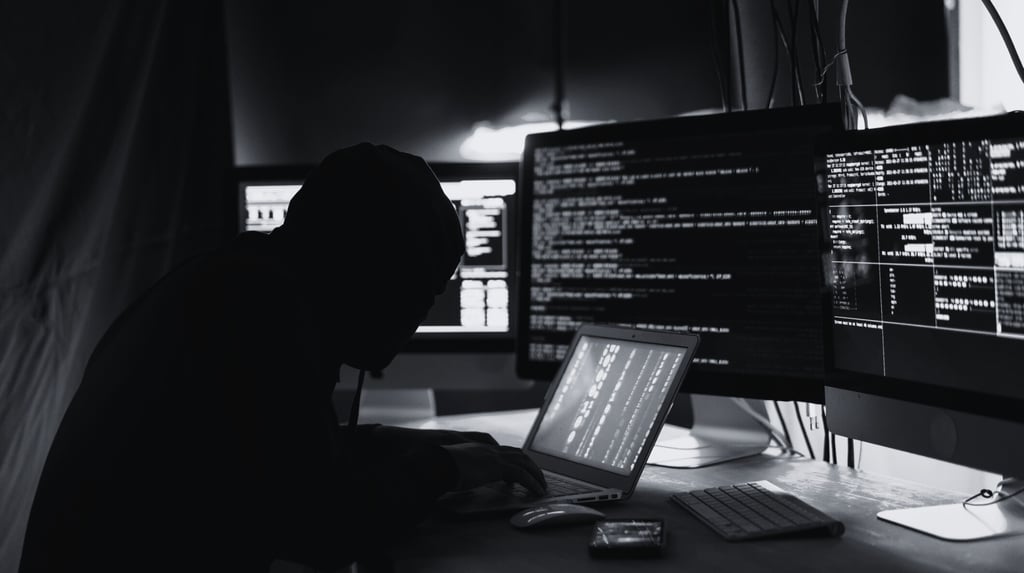
In an unusual development that highlights both the vulnerabilities in cryptocurrency storage and the traceability of blockchain technology , an anonymous hacker voluntarily returned approximately 320.8 Bitcoin (BTC) – worth around $21-21.4 million – to South Korean authorities. The Gwangju District Prosecutor's Office announced the recovery of the entire sum on Thursday after the funds were returned to an official government-controlled digital wallet.
This Bitcoin, stolen in August 2025 during a phishing attack targeting investigators , lay dormant for months before authorities discovered the loss during a routine audit in January 2026. The swift action – including coordination with domestic exchanges to freeze the involved accounts and prevent liquidation attempts – appears to have left the perpetrator with few options, leading them to return the funds rather than continue facing the risk of exposure.
Fraudulent mistakes and the recovery process.
The theft (August 2025): Prosecutors from the Gwangju office inadvertently revealed their wallet recovery phrase by entering it into a phishing website during an investigation. This error allowed the attacker to withdraw 320.88 BTC from the official custodial wallet.
Detection and Response (January – February 2026): The missing funds were not discovered until a routine audit revealed the discrepancy. Authorities then tracked on-chain activity, identified suspicious transactions, and collaborated with Korean exchanges to freeze linked accounts and prevent withdrawals.
Return (February 17, 2026): The hackers have returned the entire amount to the prosecutors' wallets. The assets were immediately transferred to a secure domestic digital exchange wallet for safekeeping.
No arrests have been made; the suspect's identity remains unknown. Prosecutors are continuing their investigation, but the voluntary repayment has helped mitigate the financial damage.
Lessons on storing digital wallets
While anonymity facilitates theft, complete transparency makes large, unlaundered holdings traceable. The ability of authorities to monitor wallets and coordinate with compliant exchanges has created insurmountable pressure—freezing fiat money channels has forced them to surrender practically.
South Korea has faced numerous high-profile cases involving law enforcement agencies mishandling seized cryptocurrency or cryptocurrency used as evidence. This highlights ongoing challenges in secure storage, seed phrase management, and awareness of online fraud—even among prosecutors.
Our review
The recovery of $21 million worth of stolen Bitcoin for South Korean authorities is an unusual but encouraging development in cryptocurrency law enforcement. It highlights the increasing effectiveness of blockchain forensic analysis and international cooperation in combating digital asset crime.
While not completely eliminating security risks, such recalls signal a maturing ecosystem where the ability to trace, enforce laws, and coordinate among organizations is becoming increasingly effective in combating illicit activities within decentralized financial networks.
Disclaimer: The information presented in this article is the author's personal opinion in the field of cryptocurrency. This is not financial or investment advice. All investment decisions should be based on careful consideration of your personal portfolio and risk tolerance. The views expressed in this article do not represent the official stance of the platform. We recommend that readers conduct their own research and consult with experts before making any investment decisions.
Compiled and analyzed by HCCVenture
Follow HCCVenture here: https://link3.to/holdcoincventure
Explore HCCVenture group
HCCVENTURE QUANT JSCO
© 2026 HCCVENTURE. ALL COPYRIGHTS RESERVED.


Connect with us
Popular content
Contact to us
Address: 8th Floor, Bach Dang Complex Building, 50 Bach Dang Street, Hai Chau Ward, Da Nang City, Vietnam.
Phone: 1900 1509
Gmail : sp_contact@hccventure.com
Disclaimer: The information on this website is for informational purposes only and should not be considered investment advice. We are not responsible for any risks or losses arising from investment decisions based on the content here.
TERMS AND CONDITIONS • CUSTOMER PROTECTION POLICY
ANALYTICAL AND NEWS CONTENT IS COMPILED AND PROVIDED BY EXPERTS IN THE FIELD OF DIGITAL FINANCE AND BLOCKCHAIN BELONGING TO HCCVENTURE ORGANIZATION, INCLUDING OWNERSHIP OF THE CONTENT.
RESPONSIBLE FOR MANAGING ALL CONTENT AND ANALYSIS: HCCVENTURE FOUNDER - TRUONG MINH HUY
Read warnings about scams and phishing emails — REPORT A PROBLEM WITH OUR SITE.