

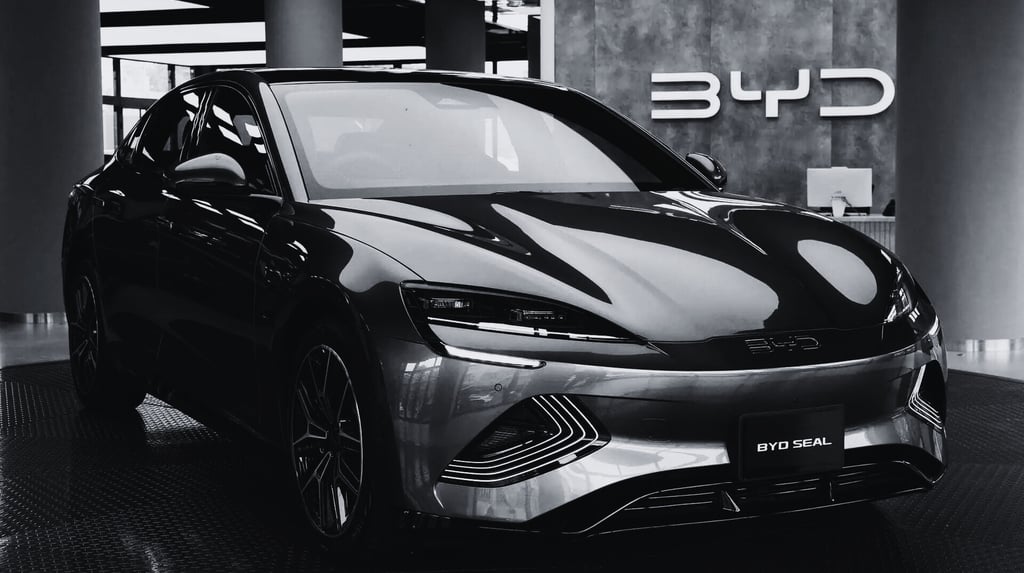
BYD has filed a lawsuit against the Trump administration over tariffs and is seeking a refund
According to sources, Chinese electric vehicle giant BYD has filed a lawsuit challenging tariffs imposed under former President Donald Trump, demanding a refund of the taxes paid.
2/11/20262 min read
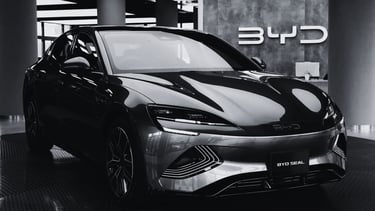
The case involves the plaintiff going to the Trump administration
Chinese electric vehicle giant BYD has filed a lawsuit in the U.S. International Trade Court (USTR) challenging the Trump administration's Section 301 tariffs on Chinese electric vehicles, batteries, and related components. The lawsuit, filed on February 10, 2026, also seeks a refund of all taxes paid under the increased tariff rates effective September 2025. BYD's lawsuit (Case Number 26-00012) presents four main arguments:
Procedural violations: The U.S. Trade Representative (USTR) office failed to follow proper notification and consultation procedures when increasing tariffs from 25% to 100% on Chinese electric vehicles and from 7.5% to 25% on batteries and critical minerals.
Arbitrary and unfounded decision: The tariff increase is not supported by sufficient evidence of damage to national security or unfair trade practices, violating the Administrative Procedure Act (APA).
Illegal authorization: Section 301 does not allow the president to impose tariffs at this level without new authorization from Congress, especially when the purpose has shifted from intellectual property theft to “ industrial policy ”.
Refund request: BYD is demanding an immediate refund of all taxes paid at the higher tax rate (estimated at approximately $180-220 million for 2025 imports), plus interest.
The firm is represented by Sidley Austin and King & Spalding, two of the most experienced law firms in the field of trade litigation . This case is one of the strongest legal challenges to date against the Biden-era tariff increases that the Trump administration chose to maintain and, in some cases, expand.
The Trump administration's tariff stance
Despite campaign promises to impose even higher tariffs on Chinese electric vehicles ( up to 200% in some statements ), the current administration has maintained the Section 301 tariff increases under the Biden administration while conducting a broader review. BYD's lawsuit will test whether new Treasury Secretary Scott Bessent and U.S. Trade Representative Jamieson Greer will strongly defend these tariffs or seek a negotiated solution.
The tariffs have severely restricted the import of electric vehicles from China:
BYD's sales in the US remain virtually zero.
Most Chinese automakers have postponed their plans to launch products in the US.
The focus has shifted to assembly in Mexico, Canada, and Southeast Asia to avoid tariffs.
During the Trump administration, the U.S. imposed extensive tariffs on Chinese goods under Section 301 of the Trade Act, citing unfair trade practices and intellectual property concerns. The tariffs targeted a wide range of products—including components related to the automotive supply chain and batteries.
Broader consequences
The legal battle is unfolding at a sensitive time in the global electric vehicle race. BYD has emerged as one of the world's largest electric vehicle manufacturers, directly competing with American and European producers. Tariffs serve as both an economic barrier and a strategic tool to protect the domestic industry.
A ruling in BYD's favor could ease cost pressures and reshape pricing dynamics in cross-border electric vehicle trade.
Although initially enacted under the Trump administration, many tariffs remain in effect under subsequent administrations. The lawsuit highlights the complexity of removing trade barriers that have been imposed. Even as global supply chains diversify, tariff policies continue to impact investment flows, sourcing strategies, and market access.
Disclaimer: The information presented in this article is the author's personal opinion in the field of cryptocurrency. This is not financial or investment advice. All investment decisions should be based on careful consideration of your personal portfolio and risk tolerance. The views expressed in this article do not represent the official stance of the platform. We recommend that readers conduct their own research and consult with experts before making any investment decisions.
Compiled and analyzed by HCCVenture
Follow HCCVenture here: https://link3.to/holdcoincventure
Explore HCCVenture group
HCCVENTURE QUANT JSCO
© 2026 HCCVENTURE. ALL COPYRIGHTS RESERVED.


Connect with us
Popular content
Contact to us
Address: 8th Floor, Bach Dang Complex Building, 50 Bach Dang Street, Hai Chau Ward, Da Nang City, Vietnam.
Phone: 1900 1509
Gmail : sp_contact@hccventure.com
Disclaimer: The information on this website is for informational purposes only and should not be considered investment advice. We are not responsible for any risks or losses arising from investment decisions based on the content here.
TERMS AND CONDITIONS • CUSTOMER PROTECTION POLICY
ANALYTICAL AND NEWS CONTENT IS COMPILED AND PROVIDED BY EXPERTS IN THE FIELD OF DIGITAL FINANCE AND BLOCKCHAIN BELONGING TO HCCVENTURE ORGANIZATION, INCLUDING OWNERSHIP OF THE CONTENT.
RESPONSIBLE FOR MANAGING ALL CONTENT AND ANALYSIS: HCCVENTURE FOUNDER - TRUONG MINH HUY
Read warnings about scams and phishing emails — REPORT A PROBLEM WITH OUR SITE.